Table Of Content

This involves using ultraviolet light from special lamps to help relieve eczema symptoms. This is an in-office procedure and generally requires two to three treatments per week for whatever length of time your doctor recommends. These include oral corticosteroids and biologics, the latter of which directly target your immune system to prevent the inflammatory response that fuels eczema symptoms7.
Eczema On Head Under Hair: Symptoms, Causes & Treatment
If your hair is in locs, avoid too much retwisting to minimize extra tension on your scalp, as Dr. Oyerinde recommends. “Try things like using a gel to tie down as opposed to retwisting every time you feel like your edges are not as laid as you would want them to be,” Dr. Oyerinde says. Then, make sure you (or your loctician) are not palm rolling or interlocking too tightly. MyEczemaTeam is the social network for people with eczema and their loved ones. Here, more than 43,000 members from around the world come together to ask questions, offer support and advice, and connect with others who understand life with eczema. And over time as we age, or genetically if we are predisposed to sensitive skin, it can look like a wicker basket more than a brick wall.
Eczema on the scalp
It’s why maintaining a healthy scalp microbiome is a key part of our haircare that should be taken as seriously as our skin-protecting and nourishing regime, particularly as we age. When scalp health came to the fore some years ago, the analogy was simple; If you want the best flowers to grow in your garden, you nourish the soil. And boom, the scalp care market exploded, with an influx of products, treatments and ingredients.
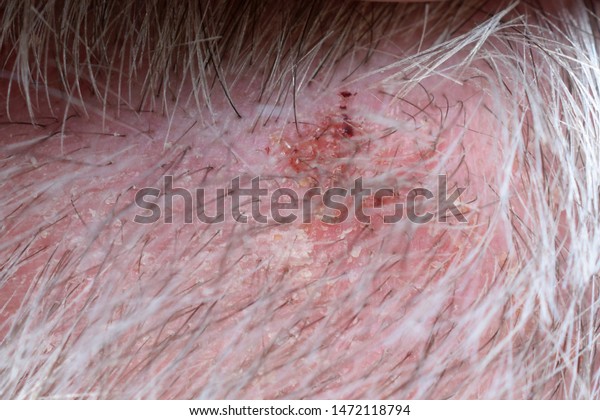
Atopic dermatitis
It is not advised or necessary to use anti-yeast shampoos for other types of eczema. But, in general, it’s best to avoid shampoos with fragrances, as these could irritate the scalp. It's essential to see a doctor if you experience persistent or worsening symptoms of scalp eczema, such as severe itching, inflammation, oozing or crusting, or significant hair loss. A healthcare professional can provide an accurate diagnosis and recommend appropriate treatments. A dry, itchy scalp can be caused by many skin conditions, such as psoriasis, head lice, and fungal infections. One common cause is atopic dermatitis — also known as eczema.
13 Over-the-Counter Scalp Psoriasis Treatments in 2024 - Allure
13 Over-the-Counter Scalp Psoriasis Treatments in 2024.
Posted: Fri, 16 Feb 2024 08:00:00 GMT [source]
These types can be severe and they are often harder to manage. The skin can become thick, leathery, and cracked after repeated contact with your triggers. A skin infection may develop if your baby rubs the affected area. When it comes to eczema discoloration, the skin does not discriminate.
Limiting hair products
Try using the pads of your fingers rather than your nails to wash your hair and avoid using scalp exfoliators, which can be irritating when your scalp is already angry. Doctors suspect an overgrowth of a common yeast known as Malassezia already found on your skin may cause seborrheic dermatitis, Dr. Stevenson says. She is assistant program director and the head of Dermatologic Surgery for the OhioHealth Dermatology residency program. Her roles demonstrate her commitment to teaching, and she uses various media outlets to share fact-based, practical skin health knowledge with the community at large.
Thus, some experts consider SD to be a psychosomatic disorder (an illness caused or worsened by a mental factor such as internal conflict or other stressors). See pictures of atopic dermatitis and learn to recognize contact dermatitis, nummular eczema, dyshidrotic eczema, and other types of eczema. The severity of seborrheic dermatitis may be lessened by controlling risk factors and triggers, and taking care of the skin. There is a strong association between seborrheic dermatitis and yeast of the genus Malassezia, which are normally present in the skin but often overgrown in people with the skin condition. Seborrheic dermatitis is a chronic inflammatory condition caused by the overproduction of sebum, the natural oils secreted by sebaceous glands in the scalp. Topical steroids designed for use on the scalp can be prescribed.
When skin is very irritated, it can crack and bleed or ooze clear fluid. Feeling thick patches of eczema spread across the back of your neck, inner thighs, and elbows is a memory that I will never shake. If you’re anything like me, you drape yourself in scarves, long-sleeved shirts, and pants to mask your inflamed skin. I stick to washing my hair twice a week with mild shampoo and conditioner.
Skin Biopsy
Scalp eczema, most commonly caused by seborrheic dermatitis, causes inflammation of the scalp. You might have rashes or white or yellow scales that are flaking or sticky. Symptoms often come and go; certain substances, such as cold weather, haircare products, and hot showers, can trigger flares. Other types of eczema that affect the scalp include atopic dermatitis and contact dermatitis. Your scalp might become infected if you scratch it too much.
Research has also shown that genetic defects in the body's first-line defense against infection (innate immune system) might be related to eczema. The symptoms at each stage are a little bit different and can change as the condition progresses with time. Eczema symptoms can change depending on the severity and stage of the disease.
The signs and symptoms of seborrheic dermatitis tend to flare with stress, fatigue or a change of season. An itchy scalp is annoying and uncomfortable—there’s no way around that! Still, try your best not to dig in too much—the more you scratch, the worse your rashes will feel.
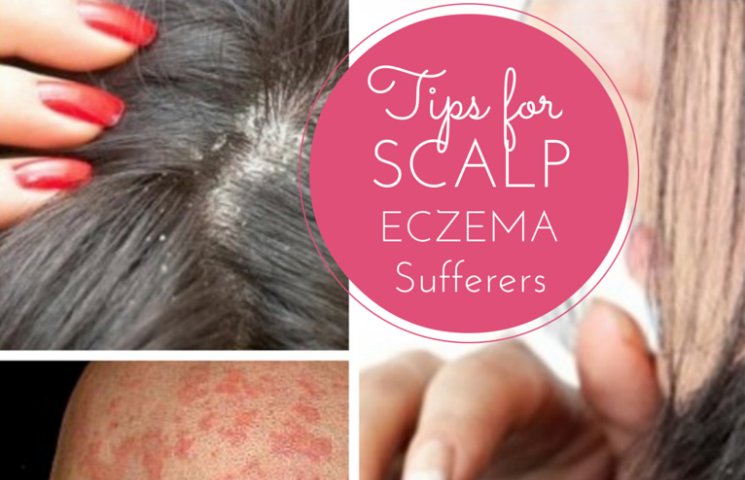
People with lighter skin may have skin lesions that are red and scaly. In contrast, people with darker skin might notice scaly lesions lighter than their natural skin tone. People should never use essential oils undiluted on the skin.
Eczema, including atopic, seborrheic, and contact dermatitis, typically presents with inflammation, itching, and redness on the scalp, often accompanied by flaking or scaling. A key characteristic of eczema is its chronic nature, with flare-ups triggered by various factors like allergens, stress, or certain products. Scalp eczema triggers you are especially likely to come in contact with include shampoo, conditioner, hair dye, and hair styling products. Many of these self-care products contain certain ingredients, like fragrances or detergents, that can cause allergic reactions or irritation in people who are susceptible. If you brush your hair aggressively, wash your hair too frequently for your needs, or heat-style your hair often, you might also aggravate dry skin on your scalp and potentially trigger eczema symptoms.


No comments:
Post a Comment