Table Of Content
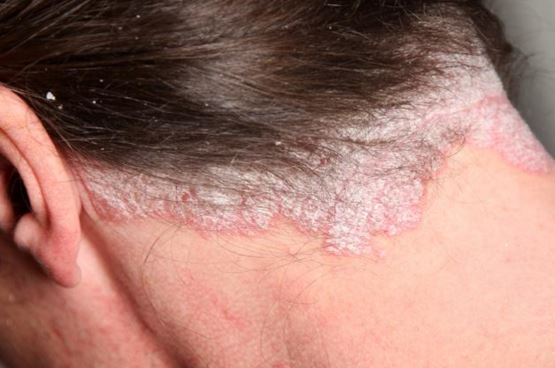
It is neither necessary nor advisable to use anti-yeast shampoos for other types of eczema. Treatments for scalp eczema will vary based on the type you have. You may be able to treat it at home with different hygiene practices and by changing hair products, or you may need to see a doctor to clear up and manage your symptoms. Severe eczema on the scalp, characterized by intense scratching and irritation, can lead to temporary hair loss. However, with proper management and treatment, including addressing the underlying causes and avoiding triggers, hair loss can often be minimized or reversed. Eczema and dandruff can have similar symptoms like flaking and itching, but they have distinct differences.
Other Types of Scalp Eczema
I consider the discoloration on my hand an eczema battle scar. As my eczema healed, my skin was in a better position to absorb outside hydration without disturbing it further. Once I reintroduced moisturizers back onto my skin, it helped lock in moisture by sealing and protecting it. It’s important to speak with your doctor if your symptoms are impacting your quality of life. There’s a cycle by which eczema can impact sleep, which in turn can feed into eczema flares. I avoid hats, tight hairstyles, and anything else that restricts airflow or causes excessive friction to my scalp.
Treatments
Dandruff primarily involves flaking due to an overgrowth of Malassezia yeast, while eczema can present with inflammation, redness, and sometimes oozing or crusting in addition to flaking. Given these distinctions, a thorough medical evaluation, including a physical examination and possibly skin biopsies or tests, is essential for accurate diagnosis and tailored treatment plans. Effective management relies on understanding the underlying causes and distinguishing features of each scalp condition to provide targeted relief and improve overall scalp health. Recognizing these diverse causes and triggers is crucial for effectively managing scalp eczema and implementing targeted treatments to relieve symptoms and enhance overall skin health. Atopic eczema is another common type of eczema that occurs in children and adults.
News from Mayo Clinic
For more comprehensive professional advice consider a scalp analysis next time you visit your salon. The condition happens when there is inflammation in the skin linked to an overactive immune system. The risk of fungal infections can also be related to proteins called cytokines, which can trigger an immune response that leaves the body less able to defend itself against germs. People with atopic dermatitis tend to get skin infections often.
17 best shampoos for itchy scalps, including expert picks - TODAY - TODAY
17 best shampoos for itchy scalps, including expert picks - TODAY.
Posted: Fri, 23 Feb 2024 08:00:00 GMT [source]
Symptoms of Eczema (Atopic Dermatitis)
The exact cause of seborrheic dermatitis is not known for sure. Still, there is some speculation that the condition may be linked to the rapid spread of a type of yeast-like fungi on the skin called Malassezia. Contact dermatitis occurs when your skin reacts from contact with something around you. You may need to treat the active rash, but you should be able to manage the reaction once you identify the trigger causing the symptoms and avoid further contact with it. This condition affects your skin, and there are several types that may affect your scalp. Some will disappear with treatment, while others are chronic and require long-term observation and management.
What Causes Eczema on the Scalp?
Dr. Casey is the founder of Bright Girl youth skincare, a collection created to instill effective and consistent daily skincare habits from a young age. We spoke with several board-certified dermatologists on how to identify scalp eczema, what triggers and causes it, and what to do about it — at home or at the dermatologist’s office. In adults, seborrheic dermatitis can come and go for long periods and require managing to reduce flare-ups.
Top doctors in ,
The best approach depends on the type of eczema a person has. For seborrheic dermatitis, treatment involves using topical products that reduce the growth of the yeast, calm inflammation, and remove the flakiness. Usually, the eczema symptoms are more severe when an infant (or adult) has both conditions (atopic dermatitis and seborrheic dermatitis). If you have scalp eczema, normal shampoos containing detergents and fragrance are likely to irritate your scalp. It is important that you either find a less irritant shampoo (for example, E45 Dry Scalp Shampoo or Eucerin DermoCapillaire Calming Urea Shampoo) or simply use an emollient to wash your hair.
“We create our own sebum, our own oil, that moisturizes the scalp,” Dr. Oyerinde says. So although you may love your jojoba and castor oil, it’s unnecessary. In fact, the yeast that causes seborrheic dermatitis feeds on them and can grow, which can worsen scalp eczema, Dr. Oyerinde says.
When washing your hair, use lukewarm water and avoid scrubbing vigorously to prevent further irritation. Regardless of the type of eczema, it's crucial to avoid hot water when washing the hair, as it can strip the scalp of natural oils and exacerbate dryness. After washing, gently pat your hair dry with a soft towel, avoiding rubbing, which can aggravate eczema-prone areas. The causes of scalp eczema vary depending on the specific type.
Save Your Scalp: How to Prevent and Treat Dry Scalp All Winter Long - The Everymom
Save Your Scalp: How to Prevent and Treat Dry Scalp All Winter Long.
Posted: Fri, 05 Jan 2024 08:00:00 GMT [source]
While there's no specific diet to cure eczema, some people find that certain dietary changes, such as reducing dairy or gluten intake, can help manage symptoms. Consuming foods rich in omega-3 fatty acids and antioxidants may also benefit overall skin health. Many people with eczema use topical steroids to treat the condition. However, these medications locally suppress the immune system, which gives common fungi a chance to take hold and spread. Fungal infections, such as tinea corporis (ringworm) and tinea capitis (a scalp infection), are also common in people with atopic dermatitis. These symptoms can complicate eczema outbreaks by making flares last longer and causing worse itching, redness, and blistering of the skin.
However, it's essential to consult a healthcare professional for proper diagnosis and treatment recommendations. The bad news is that some of the products designed for natural hair could be making your scalp eczema worse. The good news is that you don’t have to choose between good hair days and treating your symptoms. Giving your head some tender loving care can go a long way toward keeping flare-ups to a minimum—just take it from two Black dermatologists who treat people with this condition all the time. Information provided on Forbes Health is for educational purposes only.
Apart from eczema, there are a number of conditions that can cause the scalp to become dry and itchy (for example, psoriasis, fungal infection, ringworm and head lice). It is important to get a firm diagnosis if there is any uncertainty. Although atopic dermatitis and seborrheic dermatitis can be chronic conditions, there are many options available to successfully manage your symptoms and get relief. The extra humid environment, combined with the roughly 280,000 oil glands found on the scalp, makes the microbiome susceptible to disruption.
In general, avoid anything that causes an itch because scratching often triggers a flare. In some people, atopic dermatitis is related to a gene variation that affects the skin's ability to provide protection. With a weak barrier function, the skin is less able to retain moisture and protect against bacteria, irritants, allergens and environmental factors — such as tobacco smoke. SELF does not provide medical advice, diagnosis, or treatment. Any information published on this website or by this brand is not intended as a substitute for medical advice, and you should not take any action before consulting with a healthcare professional. But if you’re constantly scratching (and it’s really starting to interfere with your life), you might want to consider scalp eczema as a culprit.
Fragrance-free products designed for sensitive skin are ideal for people with atopic dermatitis or other eczema types. Risk factors and triggers for your scalp eczema will depend on the type of dermatitis causing your symptoms. Risk factors increase your likelihood of developing a certain type of dermatitis. Our scalp ages at a rate around six times faster than our face, which means our headcare regime needs to step up in accordance.
The consultation will include several questions on your habits as well as allergy tests (patch tests). The main risk factor for atopic dermatitis is having had eczema, allergies, hay fever or asthma in the past. Having family members with these conditions also increases your risk. Ask about phototherapy treatment if other treatments don’t help.


No comments:
Post a Comment